Kalmegh
Andrographis Local
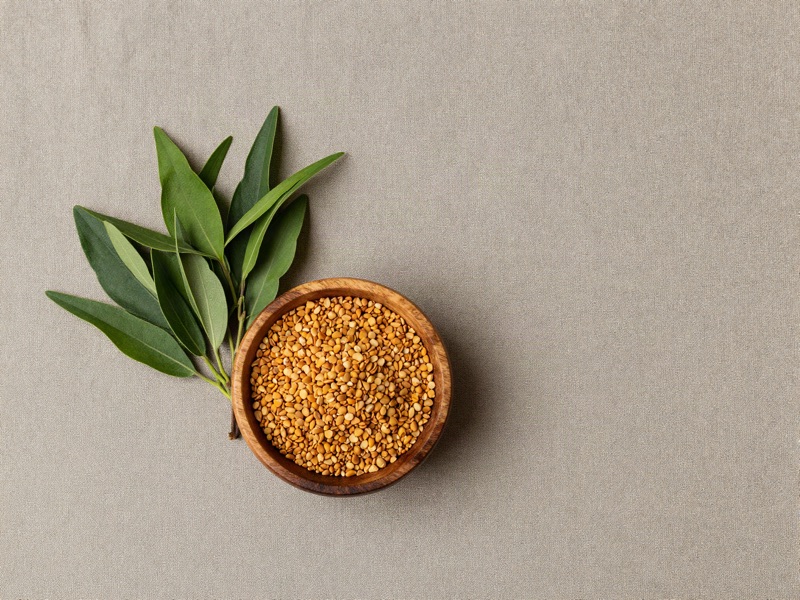
The King of Bitters of Ayurvedic practice. An easy kharif crop that tolerates partial shade under an orchard.
₹170 10 g · In stock
Herb, spice, medicinal and field-crop seed for sowing and cultivation. Each lot states its sowing window, season and pack size.
The King of Bitters of Ayurvedic practice. An easy kharif crop that tolerates partial shade under an orchard.
Dual-purpose sorghum giving both grain and a heavy fodder cut. Handles drought and poor soil without complaint.
A Tamil Nadu release yielding both a heavy leaf cut and a good seed crop if left to run on.
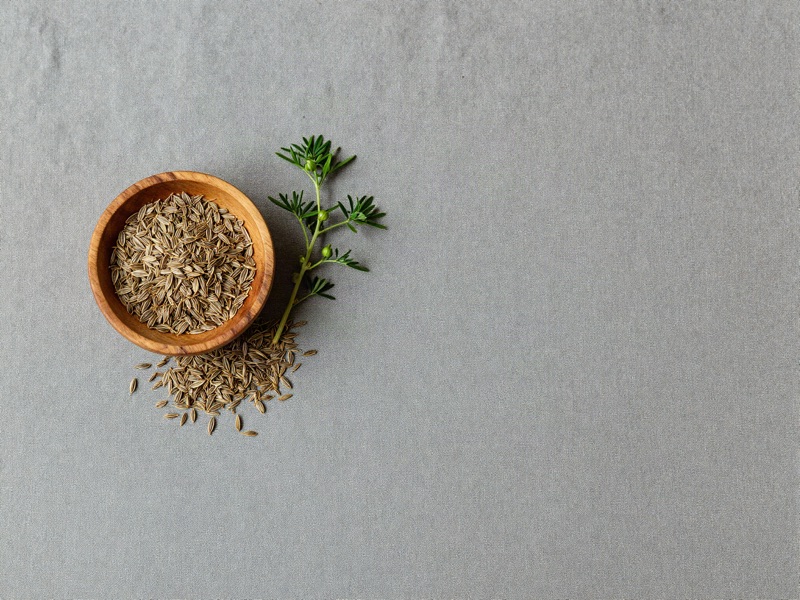
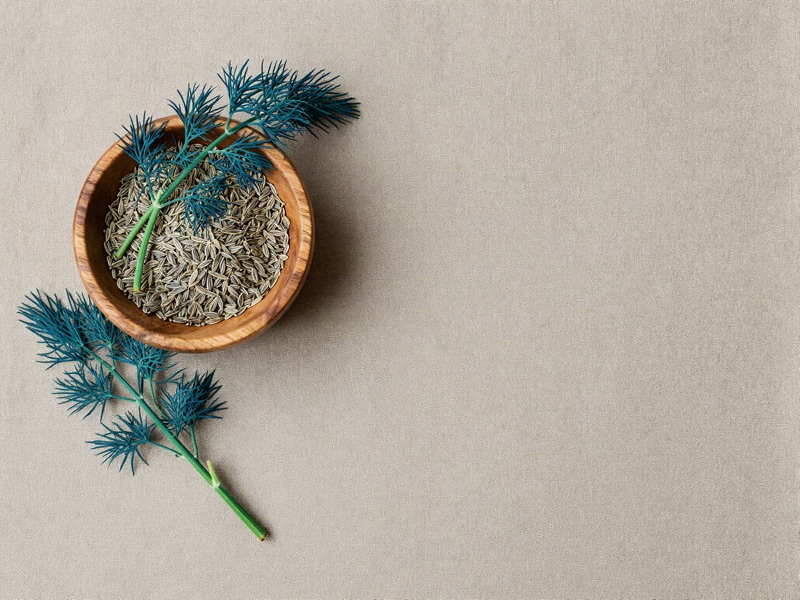
Jeera for the dry rabi season. Needs cool, dry weather at flowering — a shower at the wrong moment costs the crop.
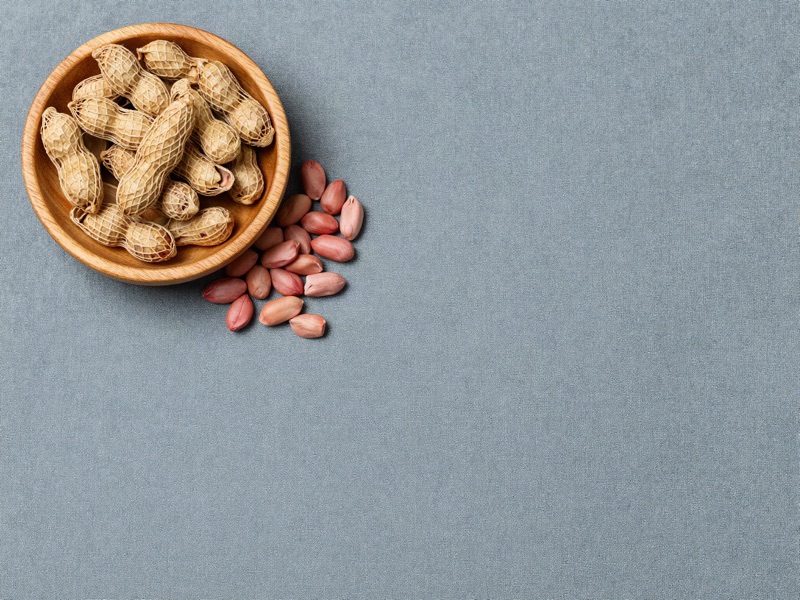
A Gujarat bunch type with bold kernels and a high shelling percentage. Widely grown across Saurashtra.
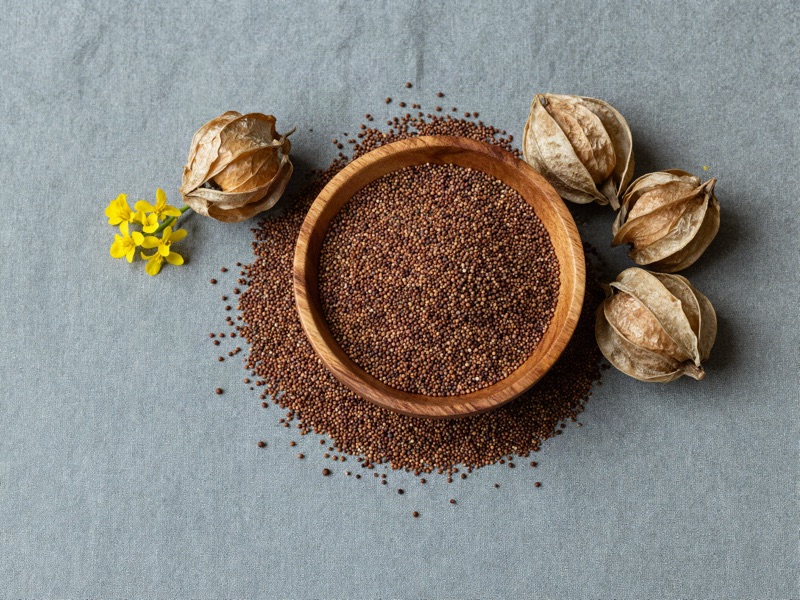
Finger millet with blast resistance and a very high calcium content. A short-duration crop for rainfed hill and dryland.
Til with white bold seed and a high oil content, for a short kharif or summer window on light soil.
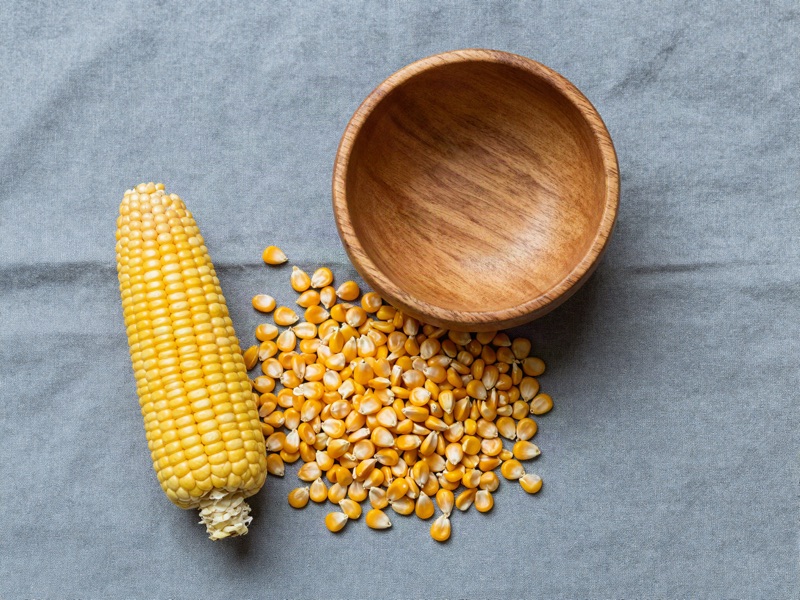
A long-established composite maize, dependable across a wide range of conditions and cheaper than hybrid seed.
Carom seed with high thymol content, for the kitchen and for the essential-oil trade.
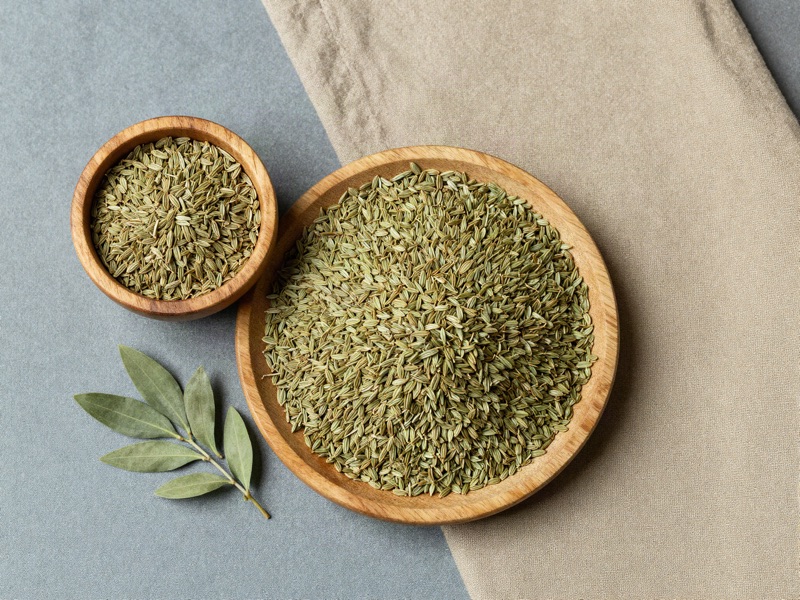
Saunf with bold, sweet, well-filled seed and a long harvest window. A dependable rabi seed-spice crop.
Psyllium husk crop for the dry rabi season. Needs no irrigation at maturity and must stay dry at harvest.
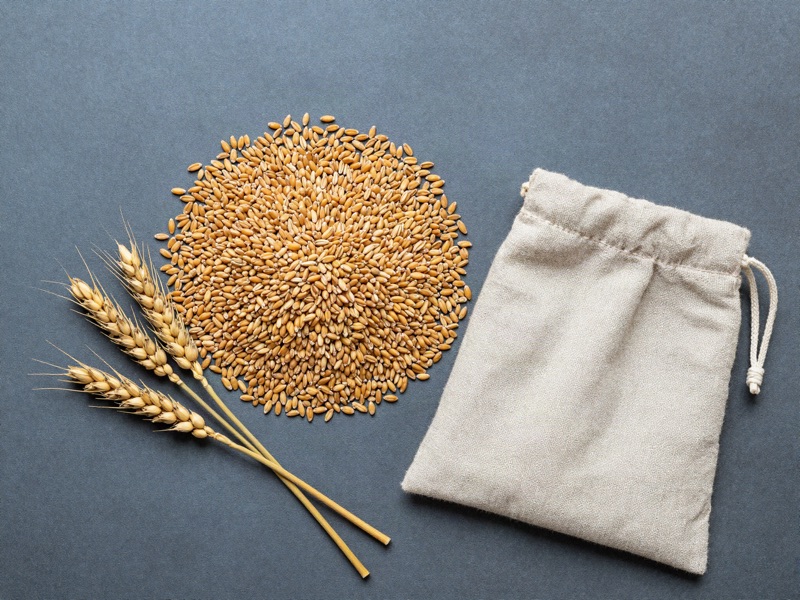
Certified seed-quality lot. The most widely sown wheat in North West India — high yielding, with good rust resistance and lodging tolerance.
Certified seed-quality lot with improved yellow and brown rust resistance over HD-2967, and better grain quality.
Extra-early pearl millet, out of the field in 62-65 days, with downy mildew resistance. For the driest, shortest seasons.
Quality protein maize — nearly double the lysine and tryptophan of normal maize, which matters where it is a staple.
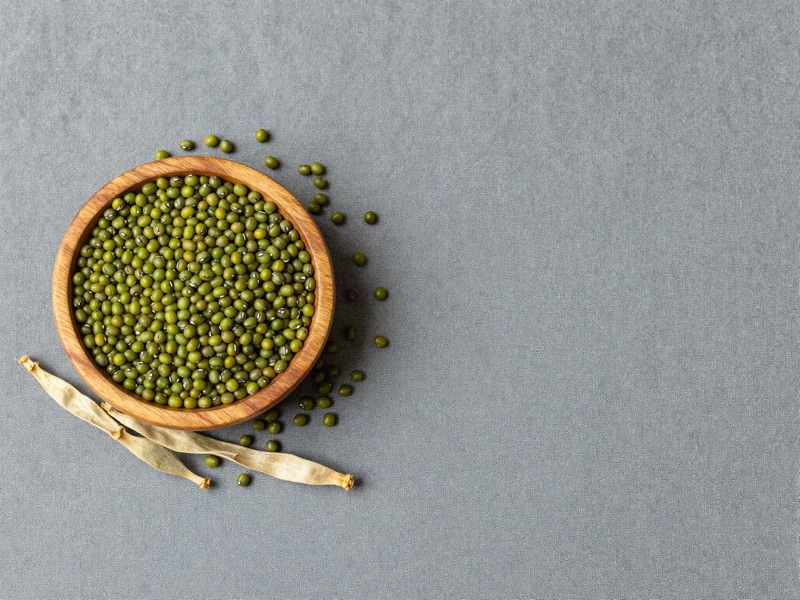
A yellow mosaic virus resistant moong — the difference between a crop and a failure in a bad MYMV year.
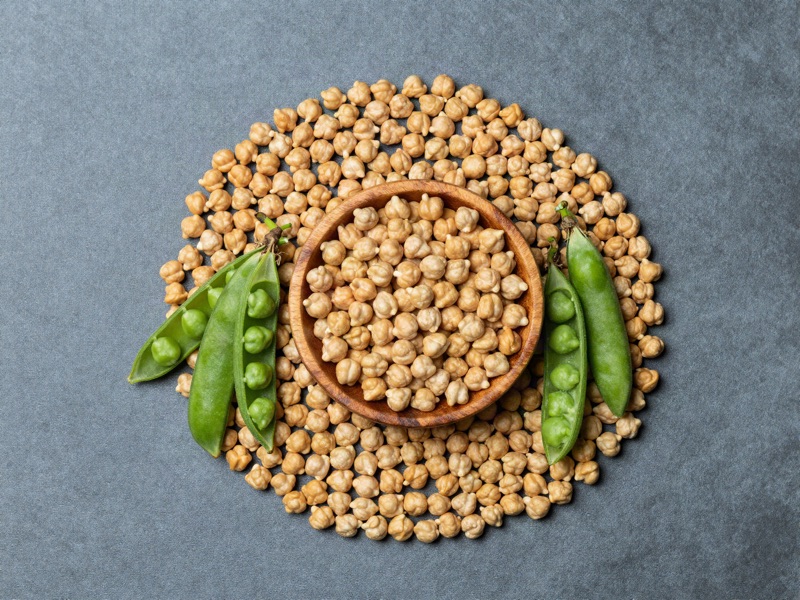
A short-duration desi chana for Central and South India, with good wilt tolerance and reliable performance on residual moisture.
The most widely sown soybean in Central India — dependable, well adapted and easy to thresh.
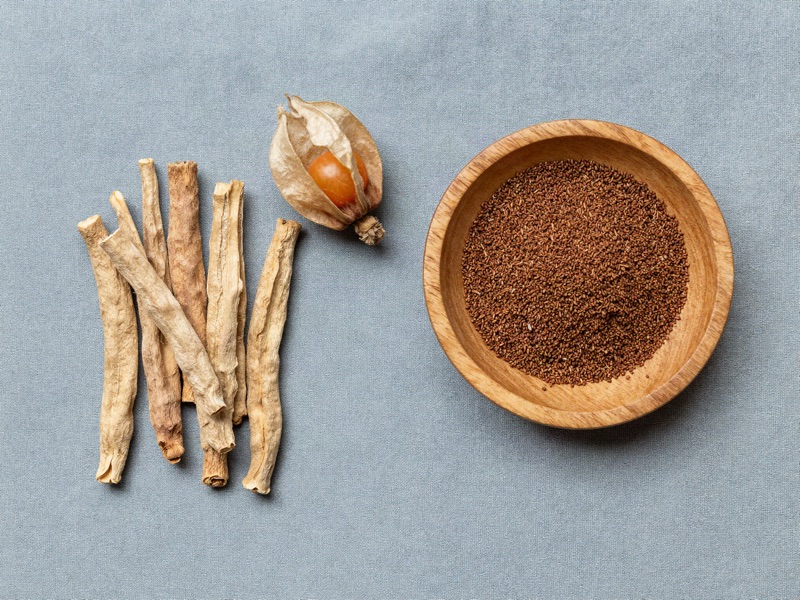
Indian ginseng, grown for its root. Thrives on marginal, dry land where a food crop would not pay.
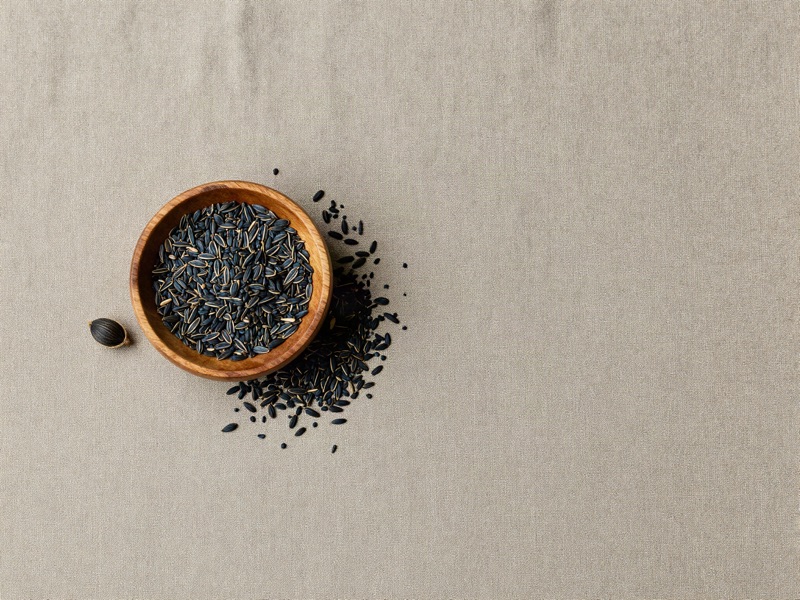
Black cumin — jet-black angular seed with a peppery, oregano-like note, on a pretty blue-flowered plant.
A high-citral selection for oil distillation and for tea. Cut three to four times a year once the clump is established.
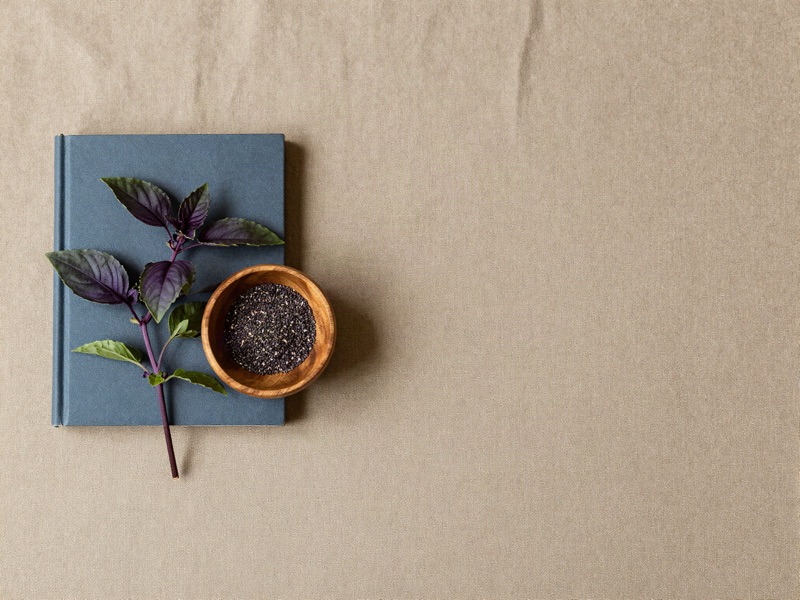
Purple-leaved holy basil with a sharper, more clove-like aroma than the green type. Grown for ritual use and for its oil.
Methi with dark-green aromatic leaves and quick regrowth, giving three cuts before it sets seed.
Egyptian clover for winter green fodder — five to six cuts through the rabi season and it fixes nitrogen while it does it.
An early open-pollinated sunflower, short enough to resist lodging and sown across all three seasons.
Urad with yellow mosaic tolerance and uniform maturity, suited to both kharif and summer sowing.
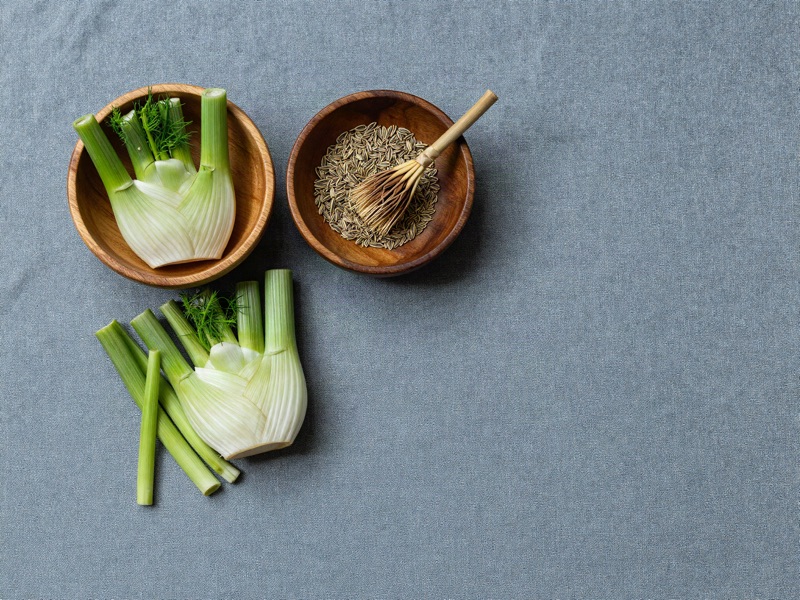
Grown here for its aromatic seed and leaf rather than the blanched European stalk. Slow to start, then trouble-free.
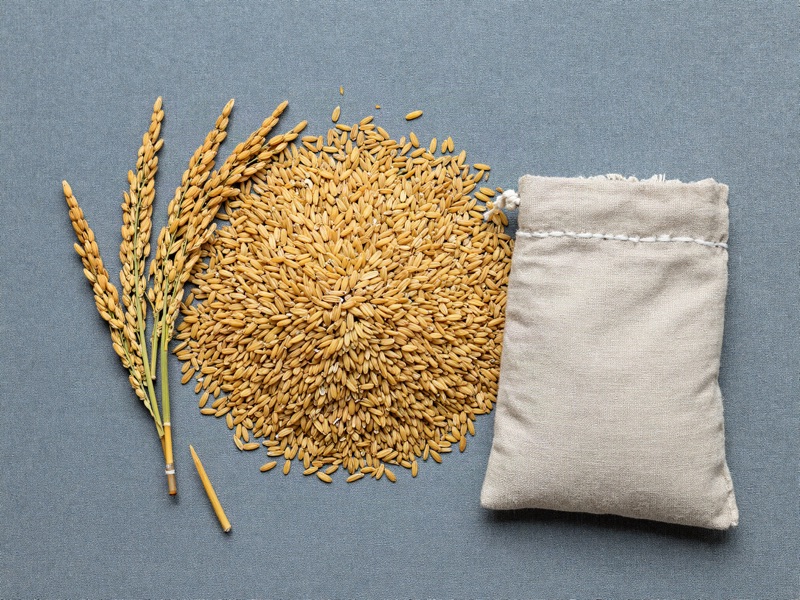
Certified seed-quality lot. The export basmati, with exceptional cooked-grain elongation and aroma.
Certified seed-quality lot. An early basmati that clears the field in time for a timely wheat sowing, with extra-long slender grain.
Certified seed-quality lot. Bold seed with high oil content and a short duration that fits between two main crops.
A low-erucic-acid mustard for edible oil, with the yield of a conventional variety and better oil quality.
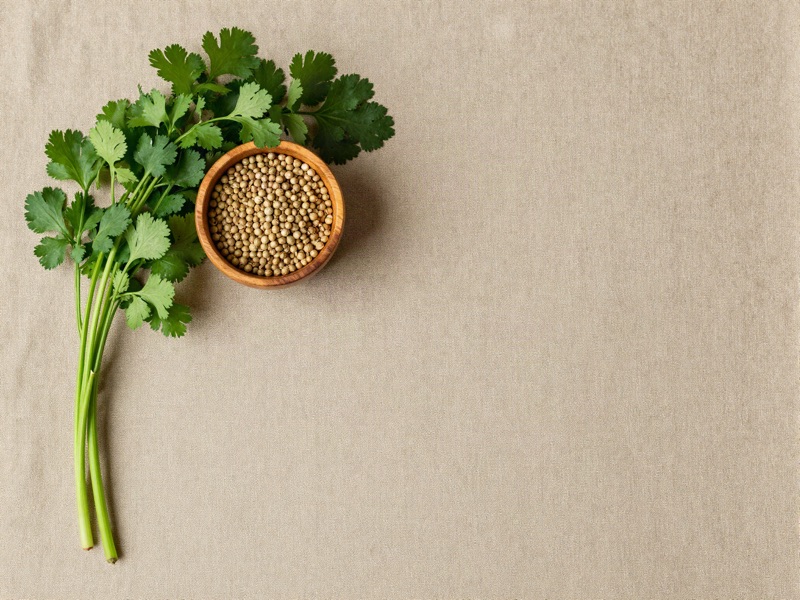
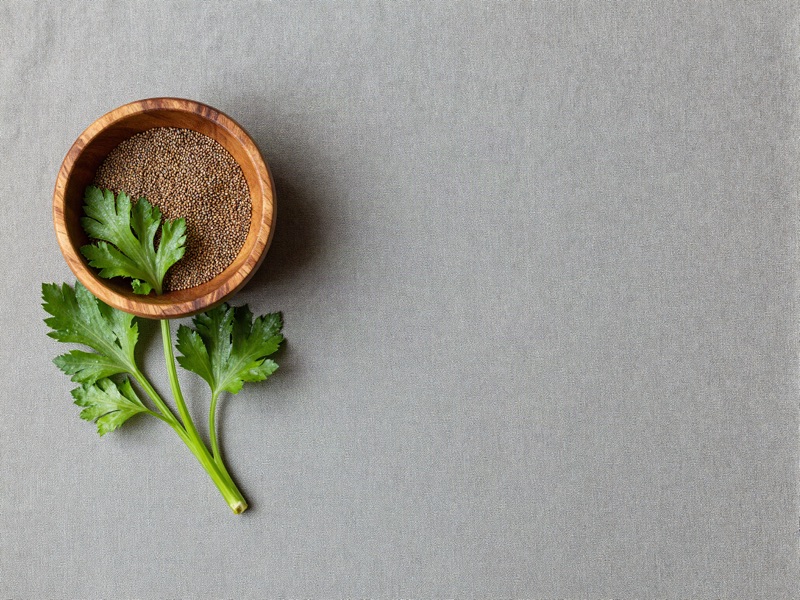
Dhania that holds its leaf far longer before bolting than ordinary seed, so it crops in warm weather too.
Bold-seeded masoor with rust and wilt tolerance, for the rabi rotation on residual moisture.
Bold-seeded moong with synchronous maturity, so it picks in one or two rounds instead of five.
Certified seed-quality desi chana with wilt resistance and bold seed. The standard North Indian rabi pulse.
Extra-early arhar that fits a pulse into a rotation where the long-duration types will not. Determinate and easy to harvest.
A Rajasthan release with better wilt and blight tolerance than older cumin — worth the premium in a damp year.
Grown as a seed spice rather than for leaf — bold round seed with a high volatile-oil content.
The green holy basil, milder and more prolific than Krishna, and the standard planting for home and temple.
Feathery aromatic leaves for fish and pickle, and seed for the spice rack. Sow direct — it hates being moved.
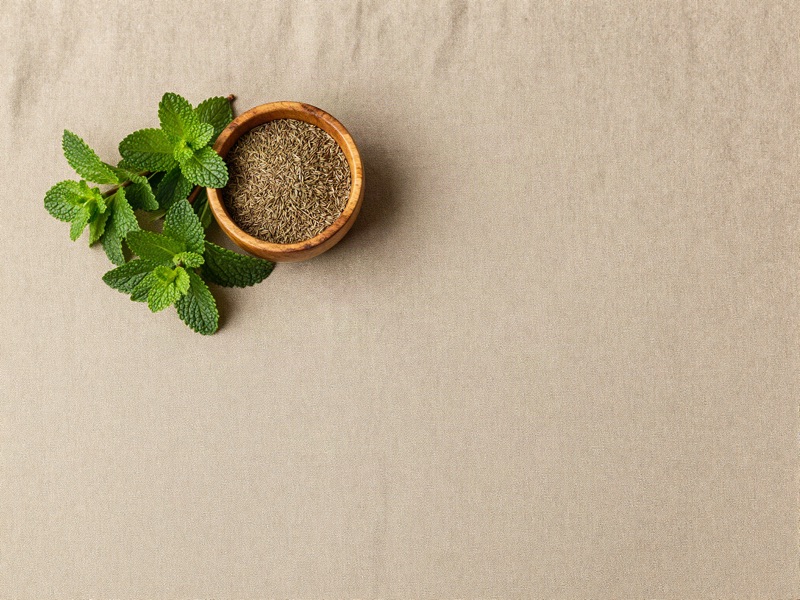
Pudina from seed — slower than runners, but it gives you clean, disease-free stock to start a bed from.
Large-leaved Italian type for pesto and salad, with a heavy, sweet aroma. Pinch the flower spikes to keep leaf coming.
Natural sweetener leaf, many times sweeter than sugar. Germination is genuinely poor — sow thickly and expect gaps.
A semi-dwarf Spanish bunch groundnut, early and heavy podding, suited to both kharif and summer sowing.